
Long Term Savers Hit by Rate Cut
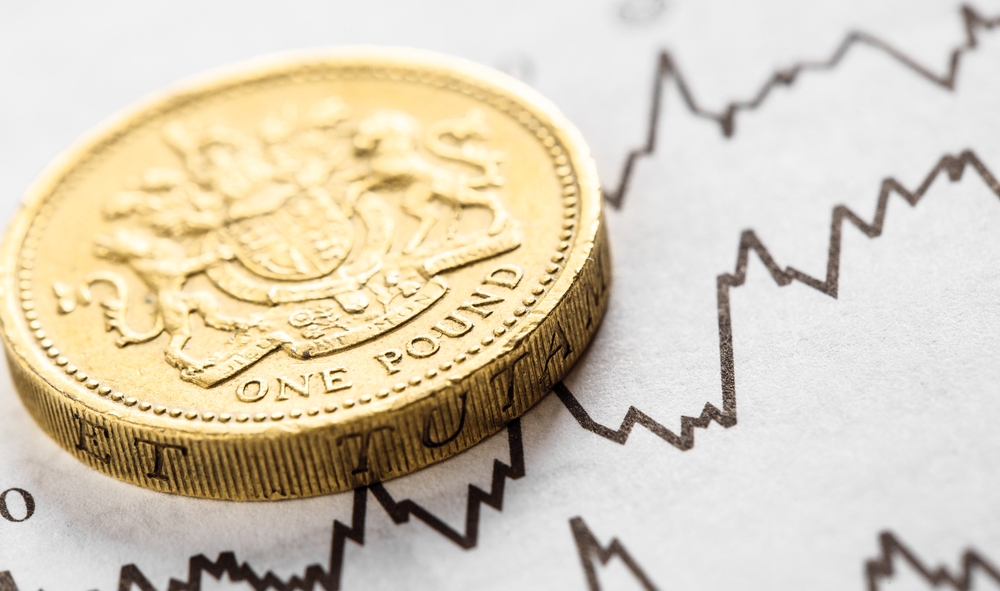
Easy access saving accounts have suffered at the hands of rock bottom interest rates for a while now, but long term, fixed rate bonds are the latest accounts to experience a rate cut.
The average rates on five-year bonds has fallen to 1.65% according to Moneyfacts, down from 2.65% last year. The average rate paid in October 2011 was as high as 4.04%, highlighting the drastic slump in interest. The fall in the base rate and reduced competition In the marketplace is being attributed to such poor interest rates. The number of savings accounts available has fallen to the lowest amount since 2007 and there have been over 100 cuts to five-year bonds since the start of 2016.
We have previously looked at the decrease in high interest savings accounts and discussed the best options for those looking for a high rate of return. For more information on interest rate reductions and the best savings accounts, you can also read more on Moneyfacts.

An annuity is a financial product that allows you to convert your pension savings into a guaranteed, fixed income for the rest of your life - often referred to as a secure income.
Choosing an annuity is a significant decision, as it is usually irreversible. That’s why it’s essential to fully understand how annuities work, the different types available, and the features they offer before making a commitment…

Setting aside money for a rainy day can help tide you over in times of challenge and provide financial security when in need of it.
What are your emergency fund options?

Debt Justice, a charity that campaigns against unjust debt, has found that about 12.8 million adults in the UK are falling behind on bills or finding repayments a heavy burden.
It's a stark reminder that the importance of a robust emergency fund cannot be overstated.
Join us as we explore financial security, and practical strategies to build and maintain your own safety net.

Choosing the right savings account can be a challenge. We’ve seen savings accounts going up to 5.25% interest on easy access and 6% on fixed rates.
Here, we provide a short, concise guide on how to select the ideal savings account and weigh the pros and cons of savings.

Investing is a powerful tool for building wealth and achieving financial freedom, but it's not always easy to separate fact from fiction. Unfortunately, there are many investing myths and misconceptions that can hold people back from taking advantage of the benefits of investing.
Here, we'll debunk some of the most common investing myths and provide practical advice for a better financial future…

Investment risk is the possibility of losing the money you invest, or not achieving the expected returns.
Is investing really worth the risk?

Bonds are issued by governments and corporations when they want to raise money. By buying a bond, you're giving the issuer a loan, where they agree to pay you back the face value of the loan on a specific date, as well as paying you periodic interest payments along the way, usually twice a year.

The UK energy industry is in disarray. In principle, we should benefit from competition, but there hasn't been any — instead, high prices are essentially mandated by regulations.
However, there are opportunities to act to help, not because there are excellent deals available, but rather because the most recent analysis indicates that the future appears to be substantially worse. Future price cap forecasts are now far greater than they were even a few months ago as they continue to grow. This indicates that certain exorbitantly expensive fixes appear to be working.
Here is what you need to know...

According to the RAC, the average cost of filling a tank with petrol has surpassed £100 for the first time, making it more crucial than ever to find the best fuel prices. Additionally, you may cut down the growth of prices if you drive more effectively, consume less fuel, and follow the other tips we've mentioned.
Here is what you need to know…
April has brought significant turbulence to global stock markets, with sharp declines in value shaking both investors and markets alike.
In this post, we’ll take a closer look at the events causing this market instability and provide insights into how you can successfully manage your investments during times of heightened volatility.